
9 KiB
| title | description | date | tags | ||
|---|---|---|---|---|---|
| Post with an image | We can use Markdown, Nunjucks shortcodes or pure HTML to add images to posts and pages. | 2025-01-09 |
|
Using the powerful Eleventy Image plugin, we have three ways to optimize images: HTML Transform, Markdown syntax, and Nunjucks shortcodes.
HTML Transform
Transforms any <img> or <picture> tags in HTML files as a post-processing step. Find the default settings directly in eleventy.config.js.
<img src="./co-located-image.jpg" alt="alt text">
<img src="/assets/images/absolute-path-image.jpg" alt="alt text">
We can pass in overrides for every instance and use attributes. By default all images are set to be lazy loaded, but we can override this by directly setting loading="eager" and decoding="sync" on the <img> element.
Another thing to note is the widths: ['auto'] setting, which by default only includes the original size image. We can set the dedicated widths to be used by adding eleventy:widths="800,1200" on the element. For images with Markdown syntax, I set fixed widths so we don't need to set a value on every instance.
sizes defaults to auto, which is applied to all lazy loading images. For eager-loading images, the value is equivalent to 100vw See: https://github.com/whatwg/html/pull/8008. We can still overwrite this, by setting the sizes attribute directly on the <img> element, with something specific like sizes="(max-width: 615px) 50vw, 100vw".
<img src="./co-located-image.jpg" alt="alt text" eleventy:widths="200,600" loading="eager" decoding="sync">
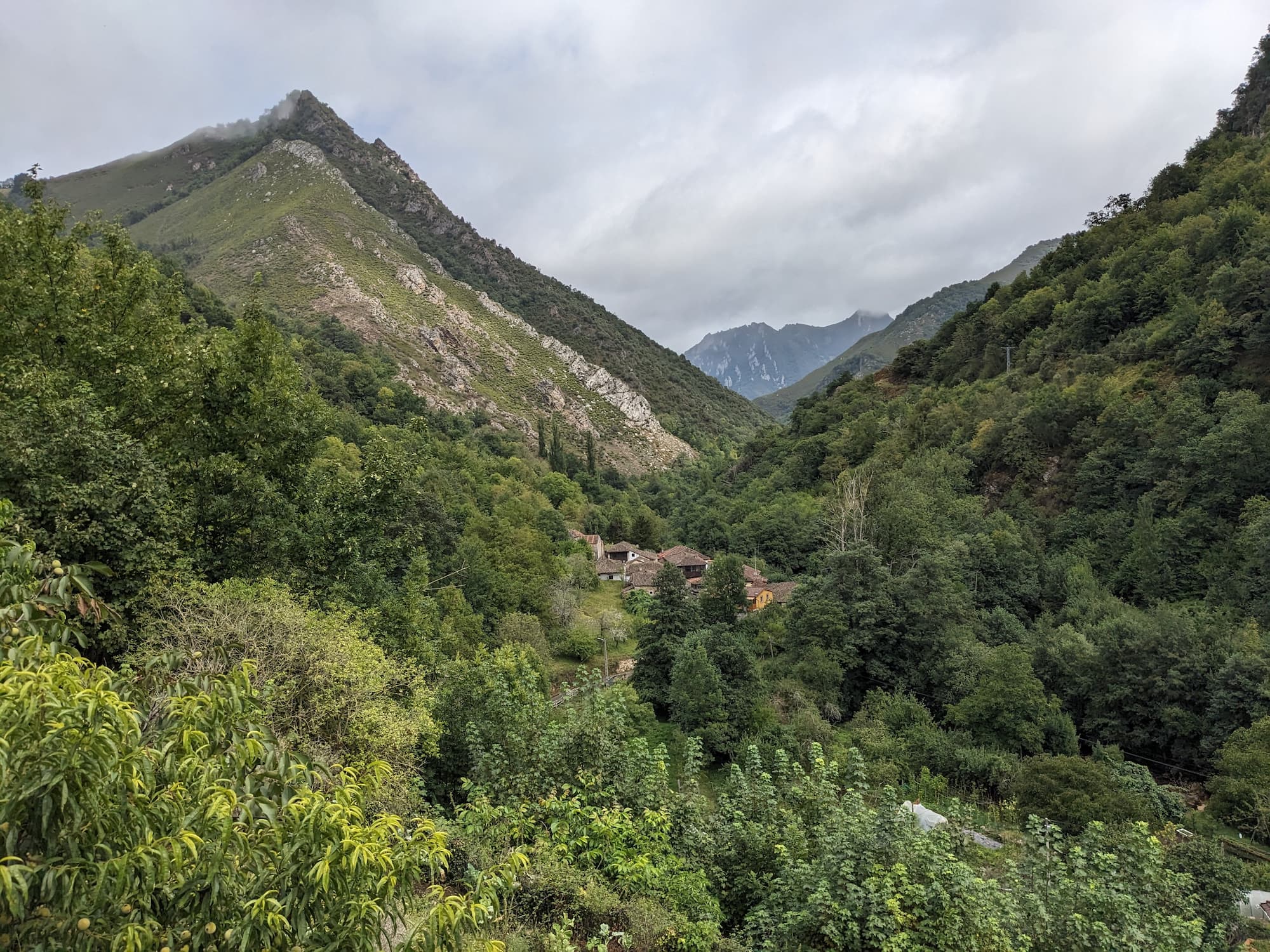
Extra benefit: we can use both relative and absolute image sources. One downside is that it comes with a higher build cost due to the post-processing step.
More info: https://www.11ty.dev/docs/plugins/image/#html-transform
Markdown syntax
This also uses Image HTML Transform .
The markdown sytnax for images creates the <img> element the plugin is looking for, and then transforms it to the <picture> element (if more than one format is set).
In src/_config/plugins/markdown.js I customized the Markdown rendering for images slightly. What normally would become a title attribute is used to create the caption (<figcaption> within a <figure> element). Note that I set a fixed widths value instead of auto as the default.

 'I used a portrait lens for this one'

We can also add custom attributes here (Kudos to Aleksandr), to overwrite the default widths, have the image eagerly loaded, or add a class attribute, etc.
{attrs}
{loading="eager" decoding="sync" eleventy:widths="400" class="grayscale"}
 {loading="eager" decoding="sync" eleventy:widths="400" class="grayscale"}
Nunjucks shortcodes
Positional parameters Shortcode
The positional parameters shortcode is the legacy approach and requires the arguments to be passed in the correct order.
The most basic version contains only the path to the image.
{% raw %}
{% image "path to image" %}
{% endraw %}
All skipped parameters are set to their default values: an empty string if no alt text is passed, loading = 'lazy', the <picture> element gets its set of images from the default widths=[650,960,1400] and compares to a condition of sizes="auto", formats are ['avif', 'webp', 'jpeg'].
We can pass in manually all the conditions, and add null to skip. The arguments include classes for the outer container ( <picture> or <figure> element), and for the <img> element.
{% raw %}
{% image "path to image", "alt text", "caption text", "eager", "container class names", "img class names", [200, 400], "(min-width:30em) 50vw, 100vw", ['webp', 'jpeg'] %}
{% image "path to image", "alt text", null, "eager" %}
{% endraw %}
{% image "/assets/images/gallery/asturias-3.jpg", "A traditional Asturian village with it's raised granaries, surrounded by lush green hills and mountains", "An example for the positional parameters shortcode.", "lazy", "text-center", "grayscale", [200, 400], "(min-width:30em) 50vw, 100vw", ['webp', 'jpeg'] %}
Example: predefine widths and sizes using Nunjuck's set tag or front matter fields, and dynamically get the image path, like I do in the "Built with" template.
{% raw %}
{% set widths = [400, 520] %}
{% set sizes = '(max-width: 615px) 50vw, 100vw' %}

{% image "/assets/images/screenshots/" + site.filename + ".jpg", site.name, null, "lazy", null, null, widths, sizes %}
{% endraw %}
Named Parameters Shortcode
Remembering the order of the arguments is a bit of a pain, so I added a second shortcode: imageKeys.
This shortcode allows us to specify parameters in any order or only include the ones we need to customize. We need to pass the parameters as a JSON object with the key-value pairs.
{% raw %}
{% imageKeys {
  "src": "/assets/images/gallery/asturias-3.jpg",
  "alt": "A traditional Asturian village with it's raised granaries, surrounded by lush green hills and mountains",
  "caption": "An example for the named parameters shortcode.",
  "loading": "lazy",
  "containerClass": "text-center",
  "imageClass": "grayscale",
  "widths": [200, 400],
  "sizes": "(min-width:30em) 50vw, 100vw",
  "formats": ["webp", "jpeg"]
} %}
{% endraw %}
{% imageKeys { "src": "/assets/images/gallery/asturias-3.jpg", "alt": "A traditional Asturian village with it's raised granaries, surrounded by lush green hills and mountains", "caption": "An example for the named parameters shortcode.", "loading": "lazy", "containerClass": "text-center", "imageClass": "grayscale", "widths": [200, 400], "sizes": "(min-width:30em) 50vw, 100vw", "formats": ["webp", "jpeg"] } %}
Example: if we only need to customize alt text and sizes:
{% raw %}
{% imageKeys {
  "sizes": '(min-width:30em) 50vw, 100vw',
  "alt": "A traditional Asturian village with it's raised granaries, surrounded by lush green hills and mountains",
  "src": "/assets/images/photo.jpg"
} %}
{% endraw %}
The shortcodes are defined in src/_config/shortcodes/image.js. They also set slot="image" on their container element, so they can be used with any WebC component that contains a <slot name="image"></slot>, see src/_includes/webc/custom-card.web for example.
Since we are using them alongside the Image HTML Transform method, the shortcodes add eleventy:ignore to the <img> attributes so the images aren’t processed twice.
Comparing Shortcode and HTML Transform
The shortcode can be much terser than the HTML syntax, while the HTML syntax is more readable and has a well known structure.
These two approaches produce (almost) the same output:
{% raw %}
{% image image, alt or "", credit, "eager", "feature", "grayscale" %}

<figure class="feature">
  <img src="{{ image }}" alt="{{ alt or '' }}" loading="eager" decoding="sync" class="grayscale">
  {% if credit %}
    <figcaption>{{ credit }}</figcaption>
  {% endif %}
</figure>
{% endraw %}
{% set image = '/assets/images/gallery/asturias-1.jpg' %} {% set alt = 'A picturesque valley showcasing majestic mountains and lush forests, creating a serene and captivating landscape' %}
{% set credits = ['Example image using the positional shortcode', 'Example image using the HTML syntax'] %}
{% for credit in credits %} {% if loop.index == 1 %} {% image image, alt or "", credit, "eager", "feature", "grayscale" %} {% else %}
 {% if credit %}
{% endfor %}
More: